


Define the product identity first
Use a real series, product code and colourway from the live catalogue. Add the tile format, face fibre, tufted construction, dye method and backing shown on the product page before comparing commercial terms.
Specification and quotation planning
Build a comparable commercial carpet tile specification from live product fields, then use the same brief for samples, technical documents and a quotation request.
Quick answerA comparable commercial carpet tile request starts with the product identity and project use, then records the same module, fibre, construction, backing, colourway, quantity, document and delivery fields for every supplier. It is a brief for comparison, not a published price or performance promise.
Use a real series, product code and colourway from the live catalogue. Add the tile format, face fibre, tufted construction, dye method and backing shown on the product page before comparing commercial terms.
Send each supplier one scope covering the project location, quantity, intended use zone, required samples, requested documents, quotation basis and exclusions. Comparable quotations begin with comparable inputs.
Request the current data sheet and any test report the project calls for. Check that each file identifies the chosen code, colourway, backing and construction, then record its issue date with the specification.
Open a product to check its exact construction and colour, then request full-size samples before adding a code to your finish schedule.
| Core specification fields | Series, product code, colourway, format, fibre, construction, dye method and backing |
|---|---|
| Comparable quotation fields | Quantity, project location, quotation basis, samples, requested documents and exclusions |
| Product documents | Current data sheet and requested reports for the selected code and backing |
The cards below are live catalogue entries. Use the product page as the factual starting point for a brief, then confirm the final product code and colourway before issuing a specification or request for quotation.
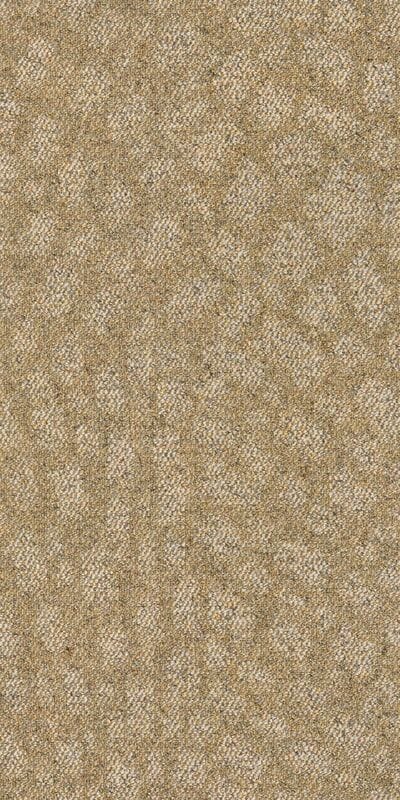
Slowdown
Spark 5144
Nylon · 500 x 1000 · TGFLEX® Bac
Colour: Beige
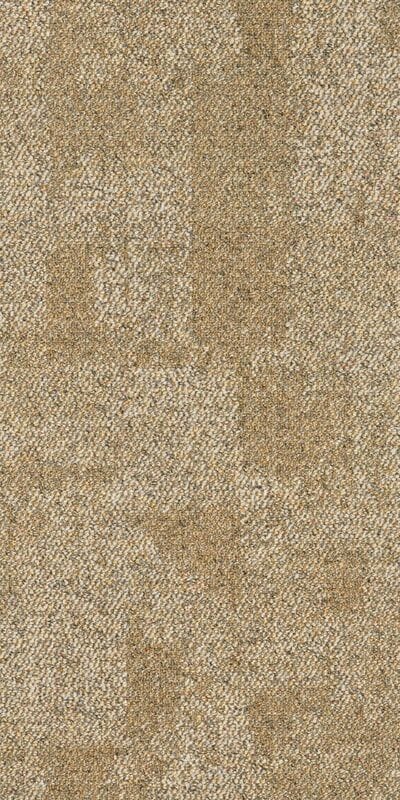
Slowdown
Idea Box 5141
Nylon · 500 x 1000 · TGFLEX® Bac
Colour: Tan
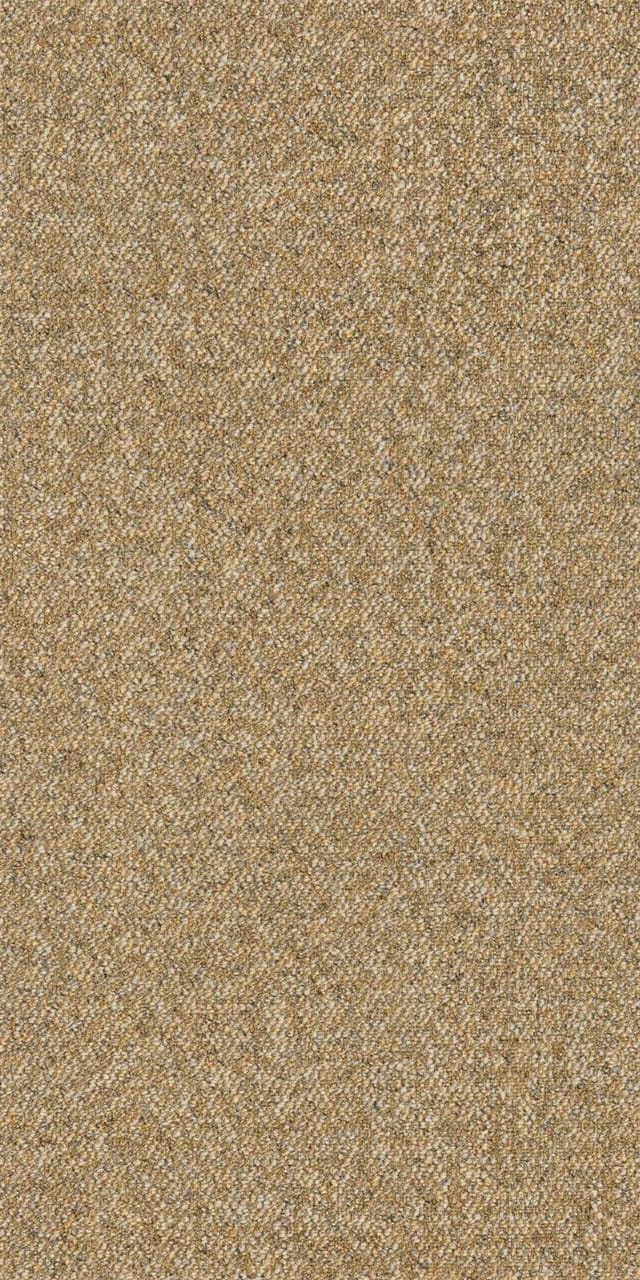
Slowdown
Wave 5143
Nylon · 500 x 1000 · TGFLEX® Bac
Colour: Tan
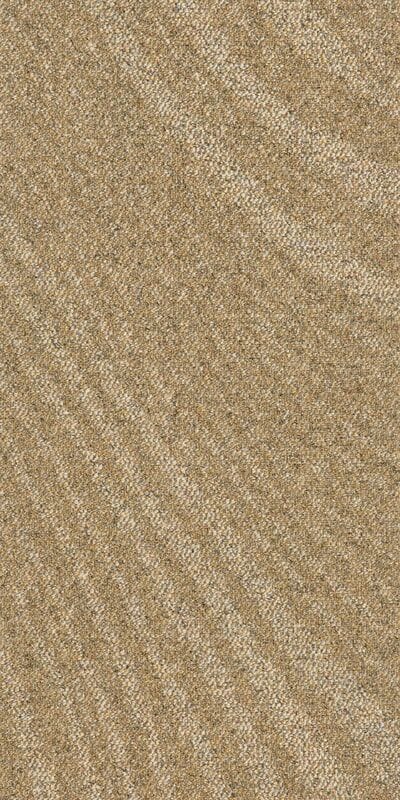
Slowdown
Flow 5142
Nylon · 500 x 1000 · TGFLEX® Bac
Colour: Tan
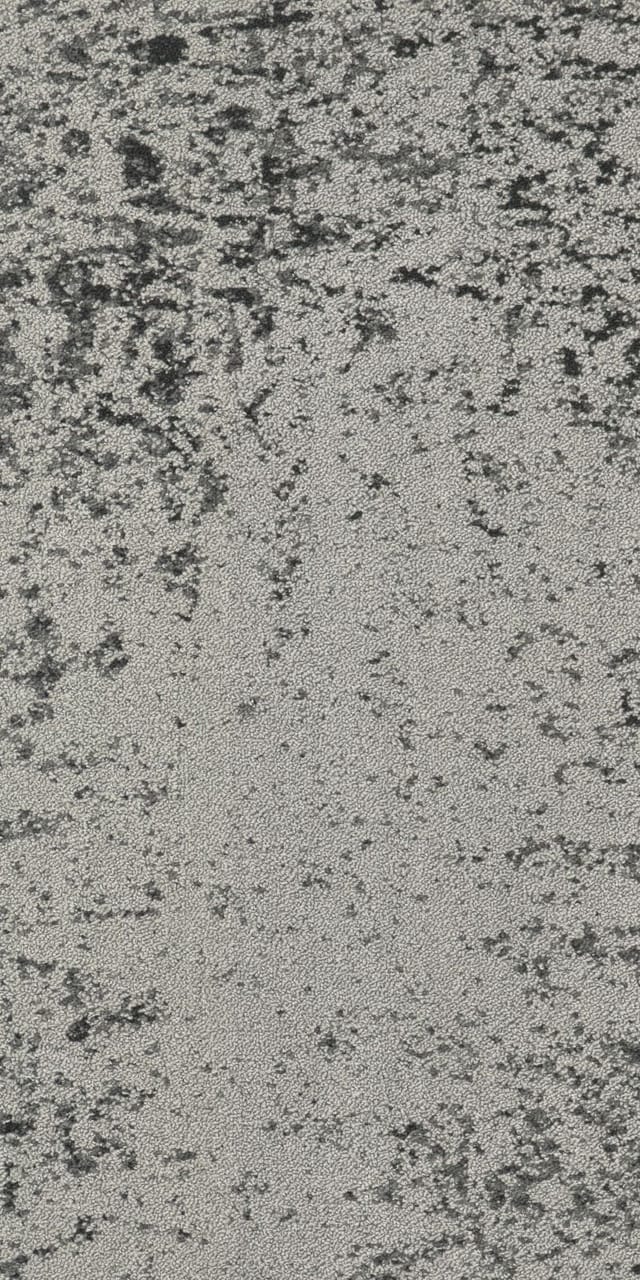
Tranquility
Mist Wave 5181
Nylon · 500 x 1000 · TGFLEX® Bac
Colour: Light Grey
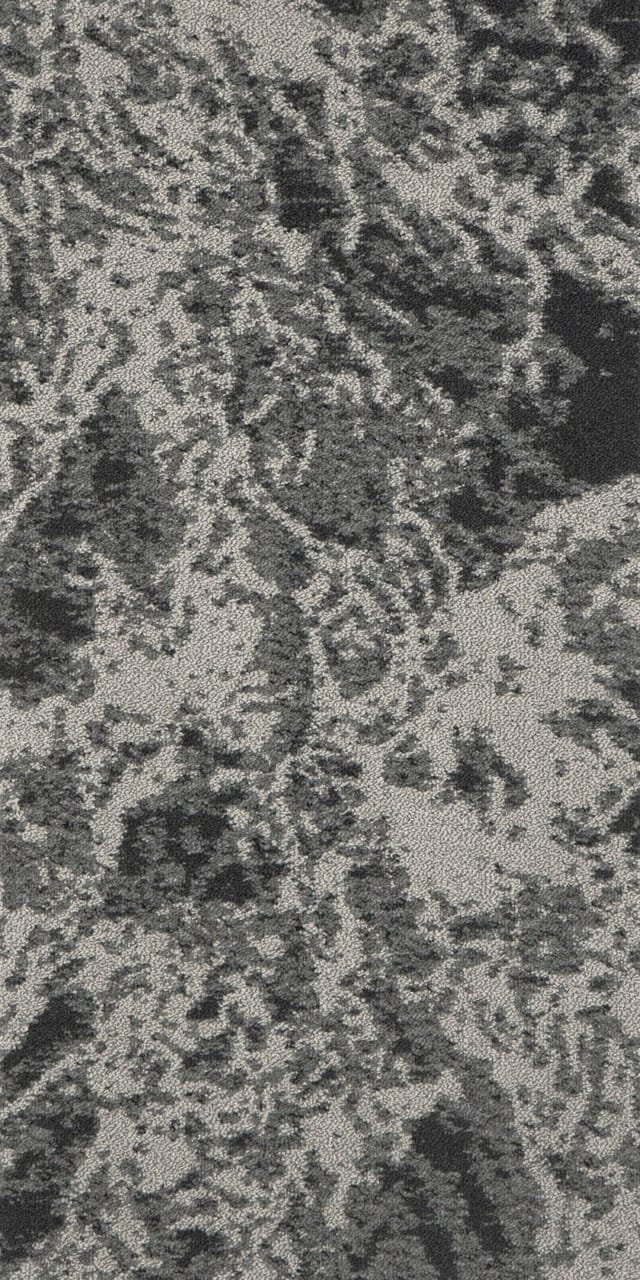
Tranquility
Mountains 5171
Nylon · 500 x 1000 · TGFLEX® Bac
Colour: Light Grey
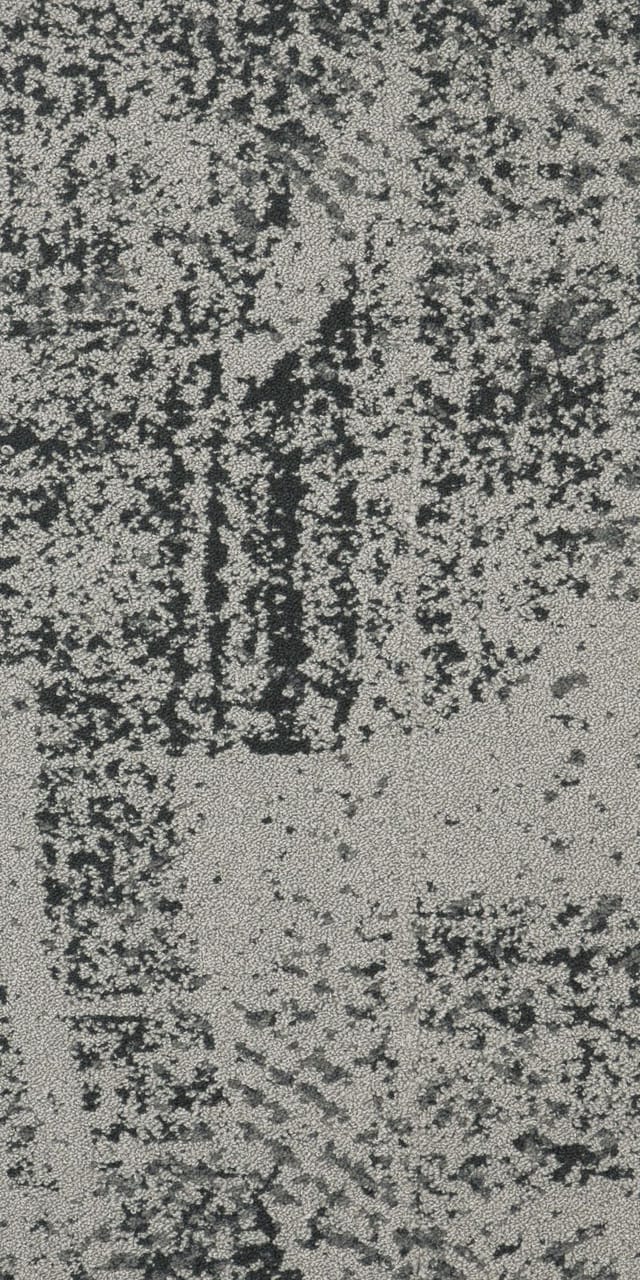
Tranquility
Fishing Song 5182
Nylon · 500 x 1000 · TGFLEX® Bac
Colour: Light Grey
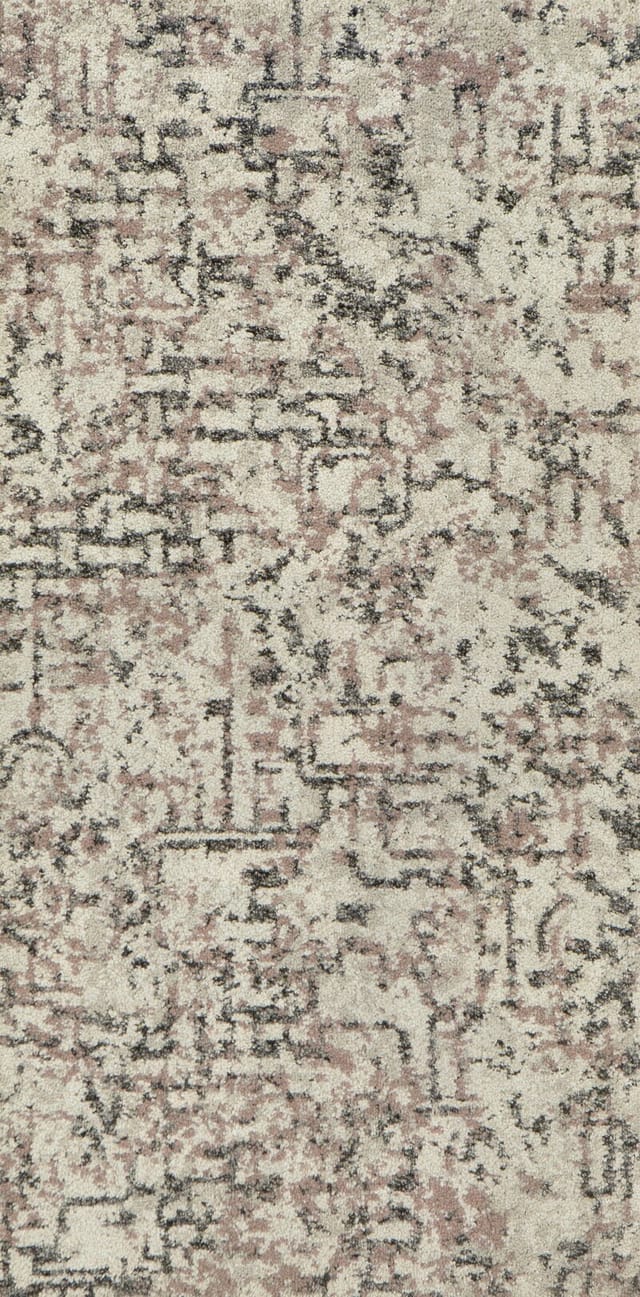
Elegance
Elegance 5183
Nylon · 500 x 1000 · TGFLEX® Bac
Colour: Red
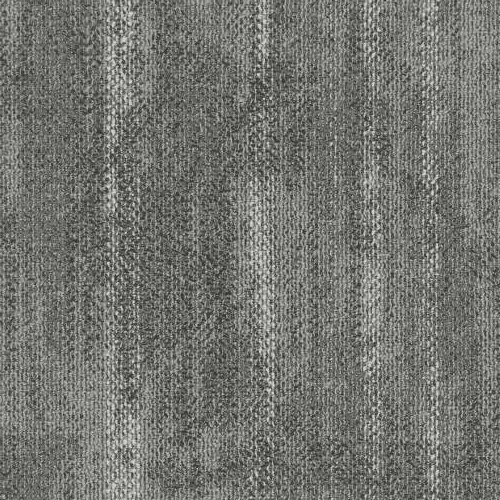
Time
Time 5551
Nylon · 500 x 500 · TGDURA Bac®
Colour: Dark Grey
Start with product identity: series, product code, colourway, tile format, fibre, construction, dye method and backing. Add project quantity, location, intended use, document requests and the quotation basis so suppliers are responding to the same scope.
No. A product page is a factual starting point for the current catalogue. A project specification still needs the selected code and colourway, quantity, layout or installation direction where relevant, document scope and project-specific approvals.
Give every supplier the same product and project fields, then ask them to state the quotation basis, included samples or documents, exclusions and any assumptions. Do not compare totals until the scope is aligned.
Send the room or project type, approximate area, preferred format and the documents you need. UNIJOY can help turn the current catalogue into a product shortlist for samples, specification review or a quotation discussion.
 Unique, So JoyfulModular carpet tile for commercial interiors — nylon, PP and PNMIX, supplied factory-direct from Shanghai since 1996.
COPYRIGHT (©) 2024 UNIJOY ALL RIGHTS RESERVED 沪ICP备20000296号-1Privacy Policy