



Carpet Tile Factory vs Trading Company
TL;DR
Choose factory-direct purchasing when your team can manage importing and wants a direct conversation about a defined carpet tile range. Choose a trading or distribution partner when you need several product categories, local coordination or consolidated deliveries. Compare the complete order: approved samples, product specification, landed costs, delivery responsibilities and after-sales contact.

1. Choose the route that fits your team
Choose factory-direct purchasing when your team can manage importing and wants a direct conversation about a defined carpet tile range. Choose a trading or distribution partner when you need several product categories, local coordination or consolidated deliveries. Compare the complete order: approved samples, product specification, landed costs, delivery responsibilities and after-sales contact.
For distributors building a repeat range, start with the factory route. For a fit-out buying flooring alongside other finishes, compare the coordination a multi-category supplier can provide. For a first import, shortlist a small sample set before committing to a full project.
A direct route gives your purchasing team one manufacturer to work with on colour, backing and product documentation. It also leaves your team to arrange the tasks outside the agreed supply scope. A trading partner can organise several sources through one commercial contact. Ask that partner to identify who answers technical questions and who handles a replacement request for each product.
Start with the live product catalogue, then use the commercial carpet tile specification workflow to keep product identity, documents and next action connected.
2. Compare responsibilities before price
| Route | Best starting situation | What to organise | First decision |
|---|---|---|---|
| Factory direct | An importer or distributor building a repeat carpet tile range | Sample approval, product documents and import arrangements | Can your team coordinate freight and local installation? |
| Trading partner | Several material categories in one project | One schedule, source for each item and consolidated delivery plan | Does consolidation reduce work across your purchase package? |
| Local distributor | A project needing a local commercial interface | Available range, site delivery and replacement contact | Does the offered range meet the room schedule? |
| Both routes | Comparable bids for the same project | Same product scope, quantity, named delivery place and document set | Compare total scope and cost, then resolve exceptions. |
3. Prepare one specification for both routes
Build one product schedule for both routes: design and colour code, fibre, dimensions, backing, quantity by room and required installation documents. Attach the approved sample reference. Ask each bidder to price that same schedule and separate freight, insurance and other charges. Write the Incoterms® 2020 rule with the named place so delivery responsibilities can be compared.
4. Move from samples to a purchase order
- Shortlist products by room, format and colour before requesting prices.
- Review full-size samples under the planned lighting with the designer.
- Agree the product code, colour, backing and installation instructions for each approved item.
- Compare itemised quotations using the same quantities and delivery destination.
- Before ordering, assign contacts for dispatch, receiving inspection and after-sales questions.
5. Build your UNIJOY shortlist
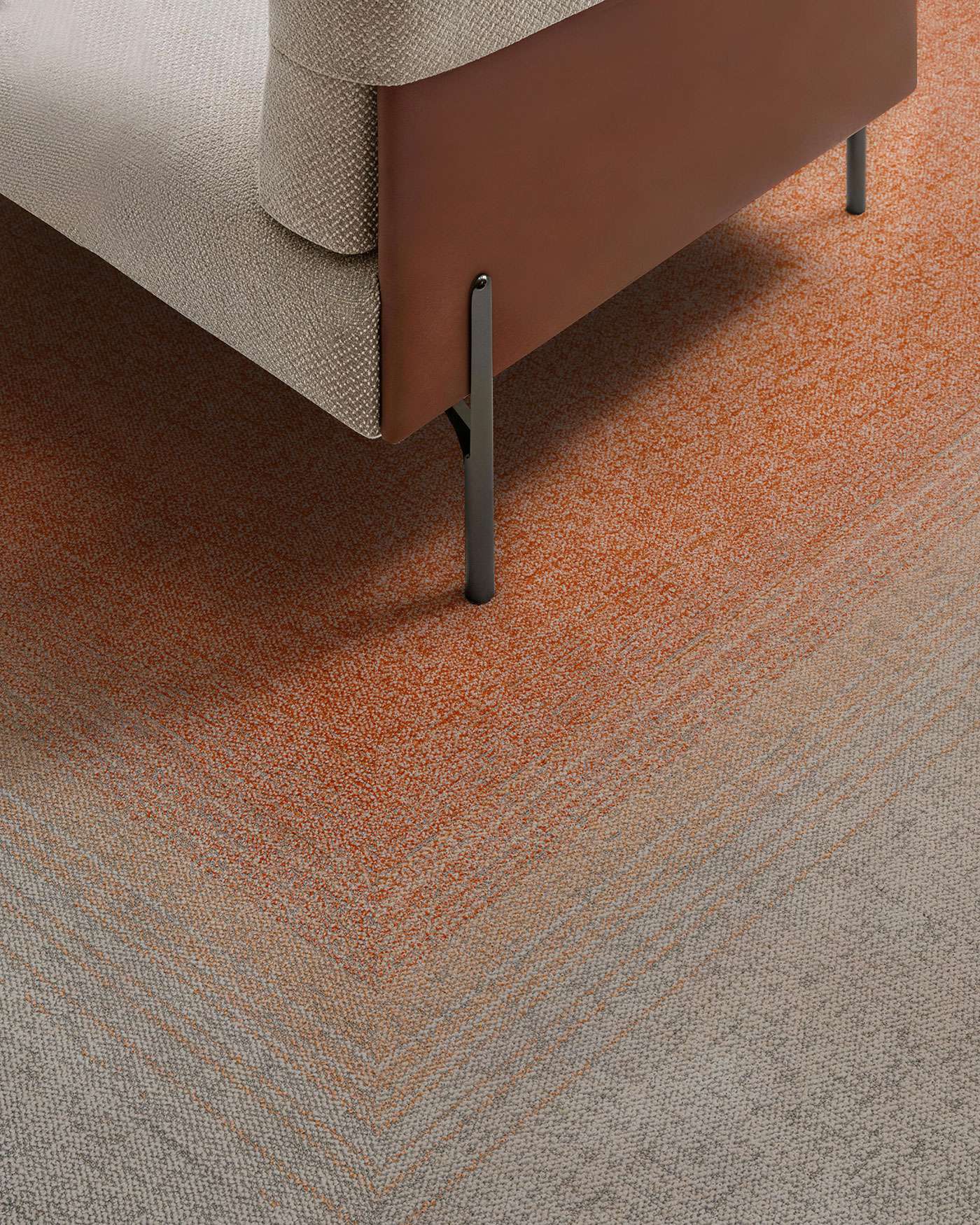
Open the current UNIJOY catalogue, shortlist two or three relevant designs and send the codes with your room schedule, destination and required delivery date. Ask for samples and an itemised quotation together. Your team can then compare product fit and total purchasing scope in the same meeting.
| Evidence line | Buyer decision |
|---|---|
| Identity | Who contracts and which exact product is quoted? |
| Documents | Do current files match product code, colourway and backing? |
| Responsibility | Who answers technical, project and after-order questions? |
| Terms | Which cost, risk, delivery and exclusions are written? |
| Escalation | What is the named next contact if evidence is incomplete? |
Frequently asked questions
Is factory direct always cheaper?
No. The label does not establish price, quantity basis, delivery scope, payment, freight or project responsibility. Compare written scope instead.
Is a trading company automatically risky?
No. A trading company can add a useful commercial or communication layer, but the buyer should verify the contracting party, source, documents and responsibility for each product line.
What should I request from any carpet-tile supplier?
Request product identity, current specification and installation documents, sample reference, responsible contact, quotation scope, delivery rule and named place, exclusions and revision dates.
Sources & further reading
- ICC — Incoterms® 2020
- ICC — practical Incoterms® 2020 wallchart
- U.S. Commercial Service — Perform Due Diligence
- ISO — ISO 9001 explained
- Shaw Contract — carpet-tile document downloads
Figures attributed to other manufacturers are their own published values, quoted for context. Different laboratories, sample build-ups and substrates are not directly comparable.